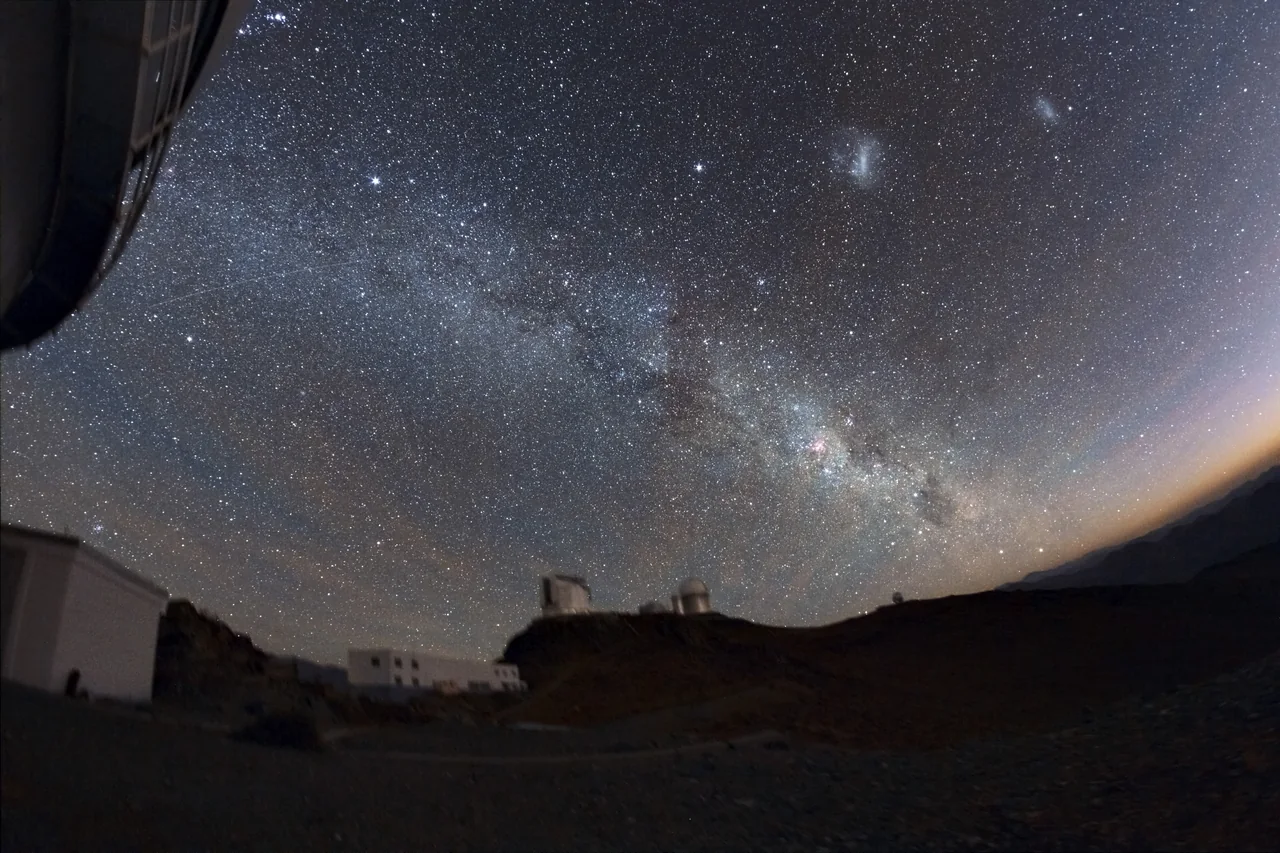
Stargazing for beginners: your first night out
You don't need a telescope. You need a clear night, a dark place, 20 minutes of patience and a red flashlight.
1. Pick the night
Clouds decide everything, so check the hour-by-hour forecast for your town tonight. Then look at the Moon: a bright Moon washes out faint stars, so the week around New Moon is best. Tonight the Moon is waning gibbous at 75%.
2. Get out of the glow
Town lights light up the sky for miles. Use the dark-sky map to find a park, summit or beach with a lower Bortle number. Check that it's open after dark: many state parks close at dusk unless you're camping or at an event.
3. Let your eyes adjust
Your eyes keep getting more sensitive for about 20 to 30 minutes in the dark. One glance at a white phone screen resets them, so turn on this site's red night-vision mode (the 🔴 button) and use a red flashlight.
4. Start with the easy wins
Find the Moon and any bright planets first; tonight that's Venus, Mars, Jupiter, Saturn. Then pick out a constellation or two. Binoculars are the best first instrument: they show Moon craters, Jupiter's moons, star clusters and the clouds of the Milky Way.
5. Go with people who know
Astronomy clubs hold public star parties where members share their telescopes. It's the fastest way to learn. Find a club near you, or visit an observatory open night.
What to bring
Warm layers (it's colder than you think after midnight), a reclining chair or blanket, a red flashlight, water, bug spray in summer, and binoculars if you have them.
Watch your own sky 24/7, and catch every meteor.
Turn an ordinary IP camera into an AI sky camera: it records all night, catches meteors, fireballs and satellites, names planes and satellites from public orbit and flight data, and makes one-click Shorts of the best moments.
- Runs on your own Windows, Mac, Linux or Raspberry Pi 5
- Join the SkyWatch Network map and help cover America's sky
- Go live on YouTube for big sky events
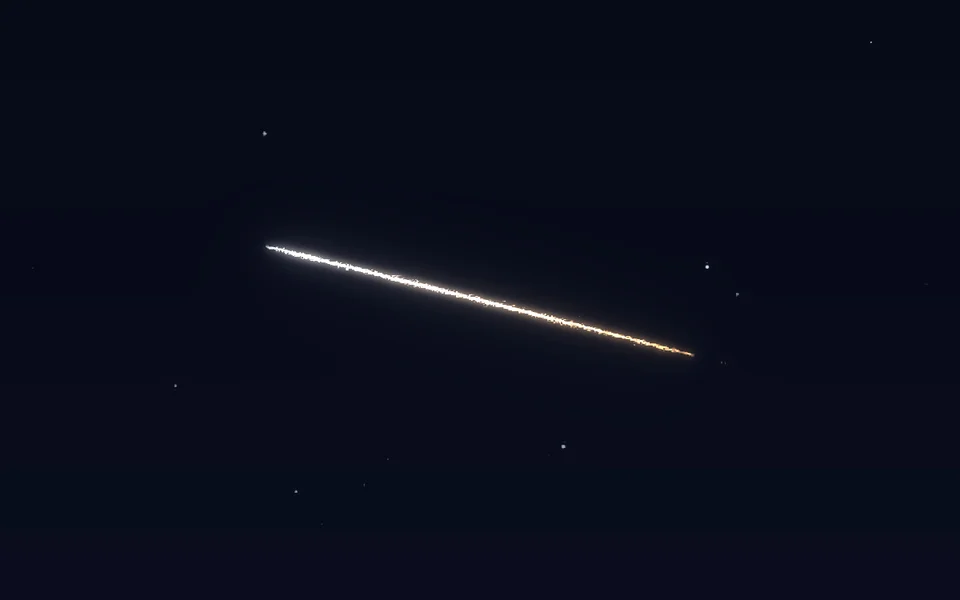 LIVE 24/7
A real catch, not a renderMeteor · Nov 9, 2026 · 3:44 AM · our 12MP backyard sky cam
40meteors confirmed
279satellites named
12,917aircraft logged
Watch our sky live →