Directory / Astrophotography / Star trails
Guide
Photograph star trails
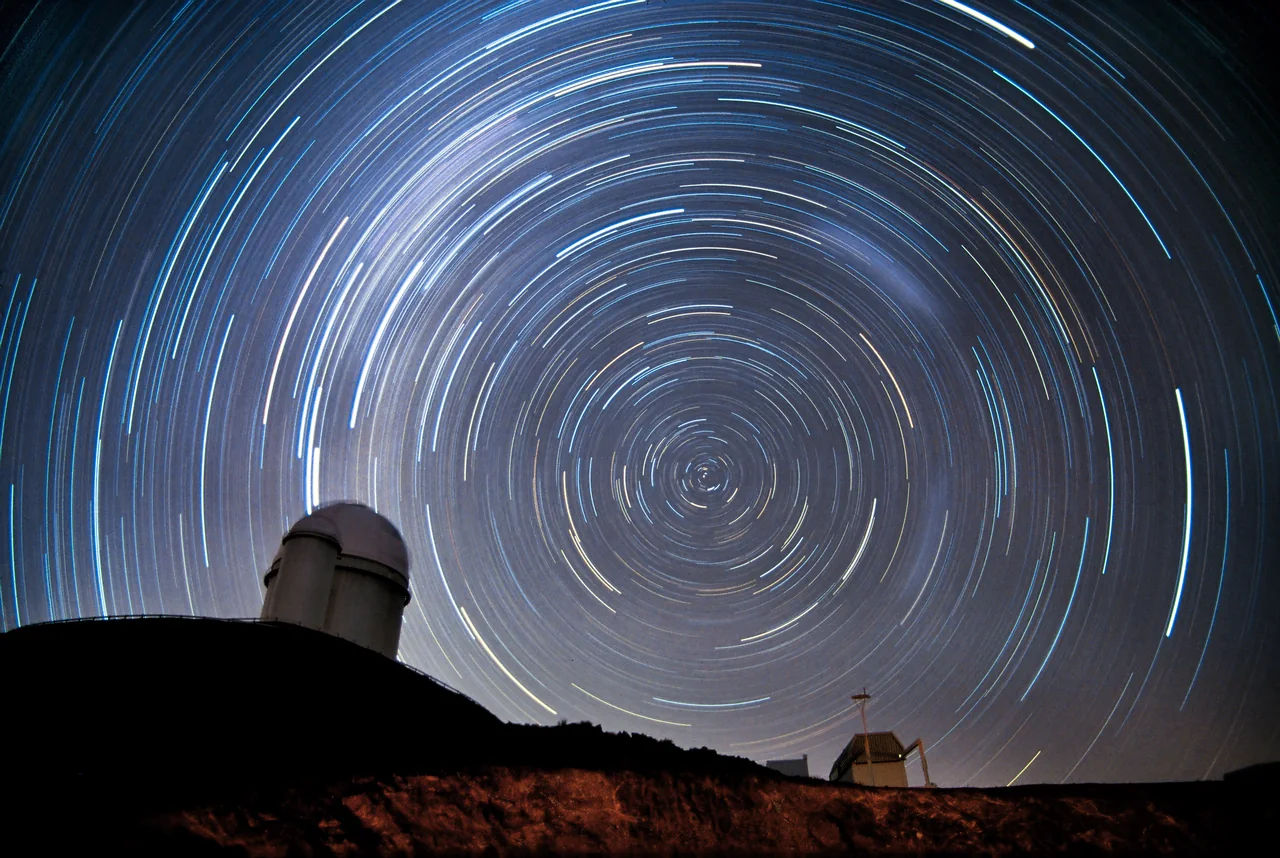
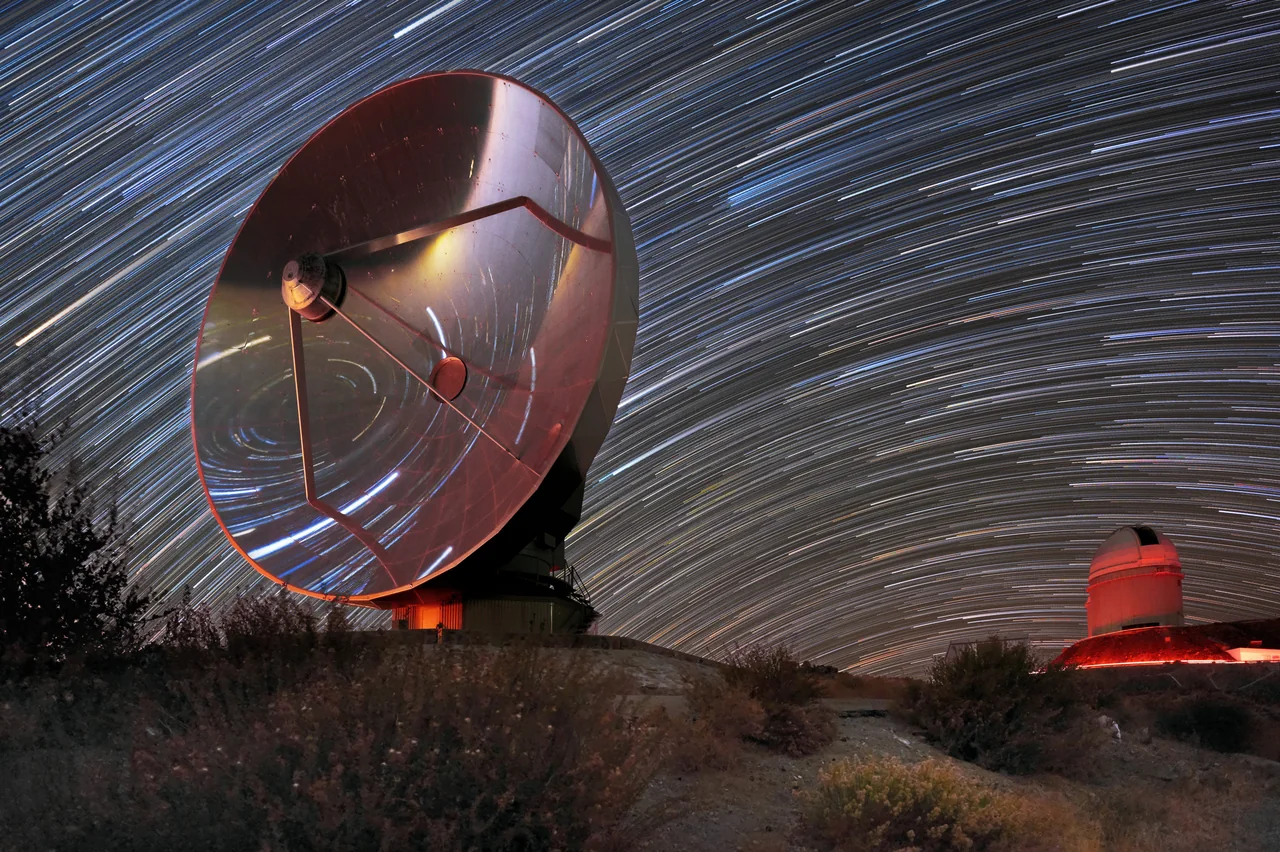
Leave the camera running and the turning Earth paints circles in the sky. Star trails work in any season and even under some moonlight.
How to do it
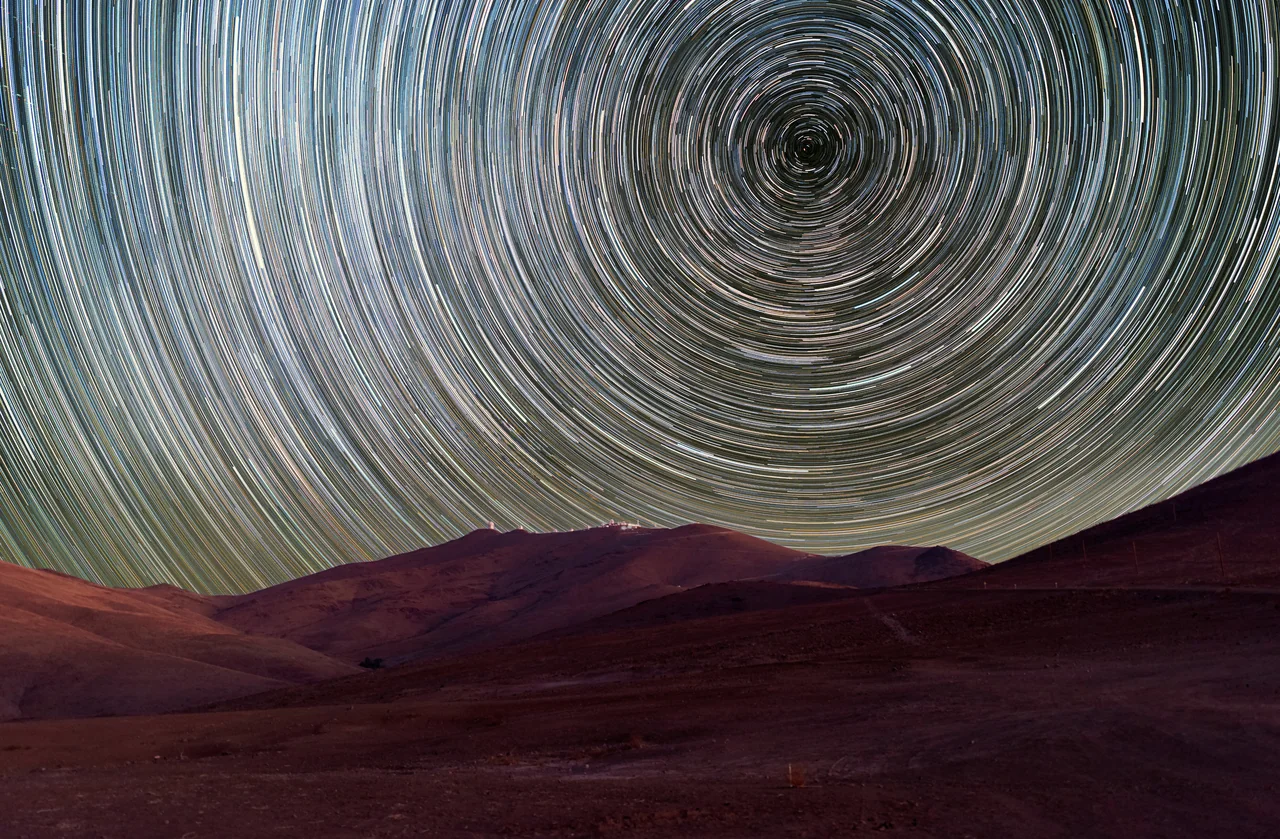
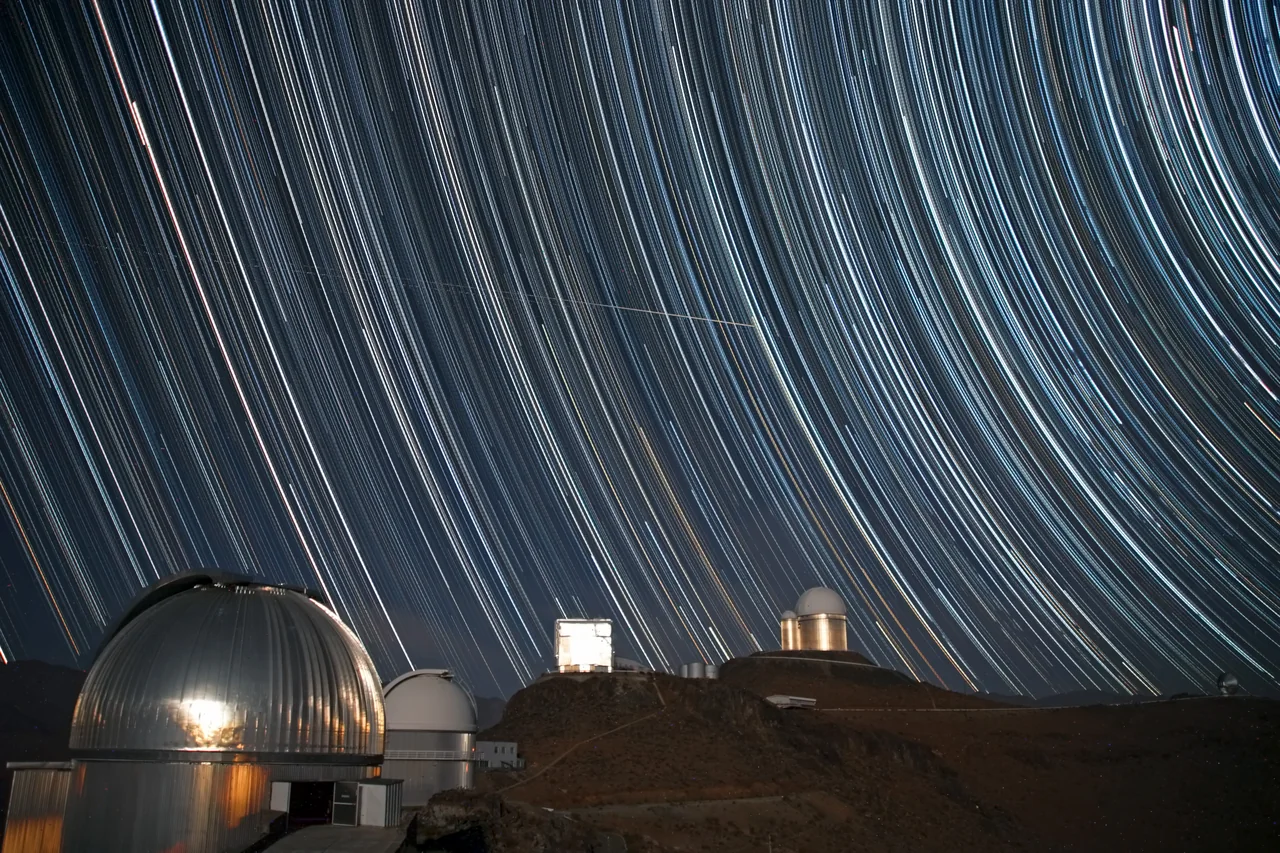
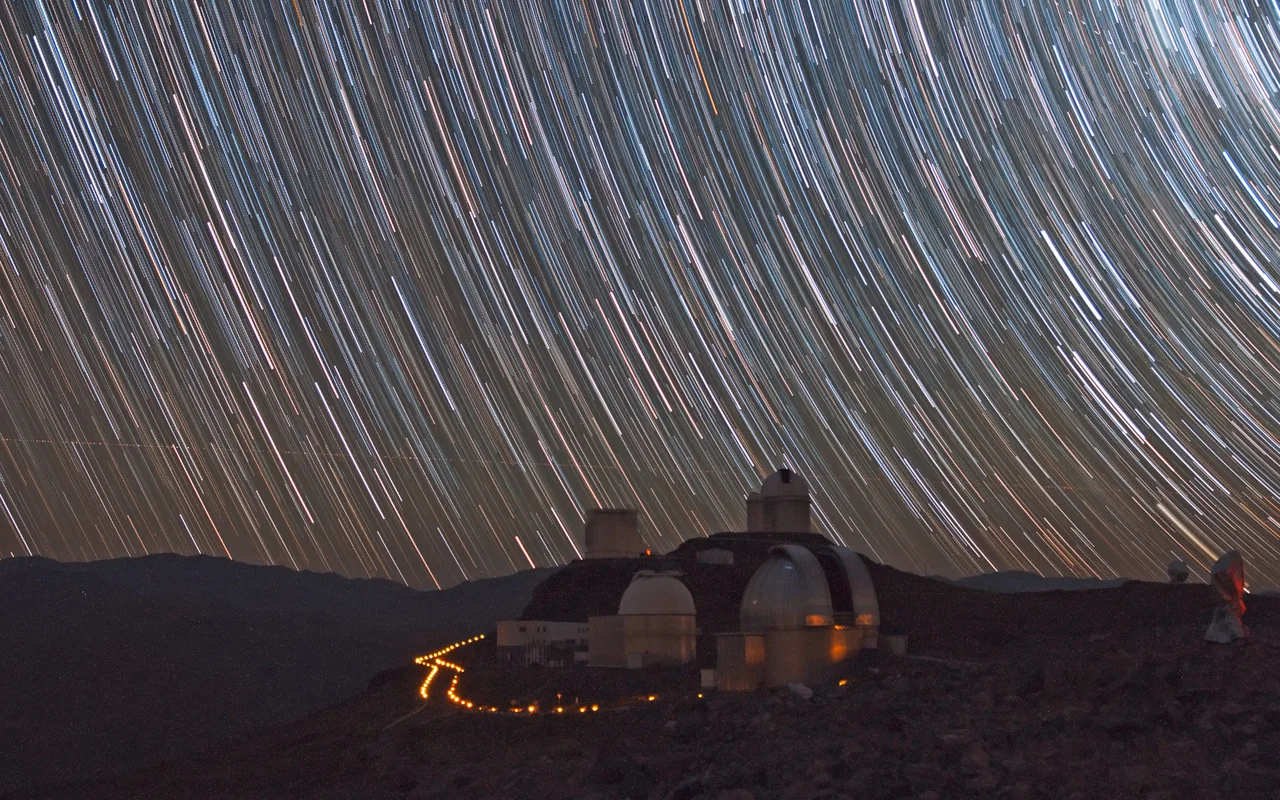
- Frame Polaris (the North Star) for perfect circles, or face east or west for long diagonal streaks. In New England, Polaris sits about 42–45° up, due north.
- Settings: manual focus on a star, ISO 400–1600, f/2.8–4, 20–30 seconds per frame. Moonlight lets you drop the ISO and light the foreground.
- Continuous shooting: an intervalometer (or built-in interval mode) with a 1-second gap or less, so the trails don't break up.
- Shoot long: 1 hour gives short arcs, 2–4 hours gives deep rings. Plan on 200–500 frames.
- Power and dew: cold kills batteries fast. Bring a spare or a USB power bank, and a lens heater.
- Stack: StarStaX (free), Sequator or Photoshop lighten blending. Use "comet mode" for tapering trails.
Prefer one frame? Try a single 30–60 minute exposure at ISO 100, f/8, on a cool night. Expect more sensor noise.
Where to go
Dark spots with a view north
 Bortle 1.0
🏔️ Summit
Beetle Mountain
Patten, ME
Excellent dark sky
 Bortle 1.0
🏔️ Summit
Hudson Mountain
Portage Lake, ME
Excellent dark sky
 Bortle 1.0
🏔️ Summit
Willard Mountain
Masardis, ME
Excellent dark sky
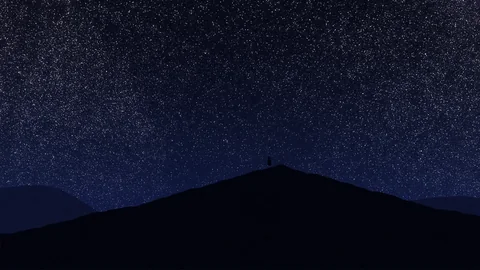 Bortle 1.0
🏔️ Summit
Peaked Mountain
Ashland, ME
Excellent dark sky
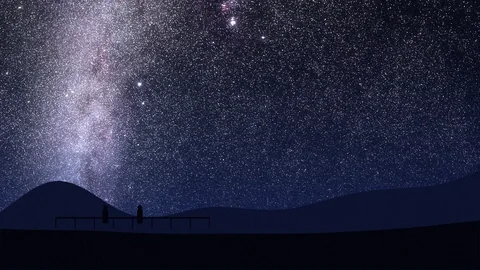 Bortle 1.1
⛰️ Scenic viewpoint
Deasey Mountain Lookout Tower
Patten, ME
Excellent dark sky
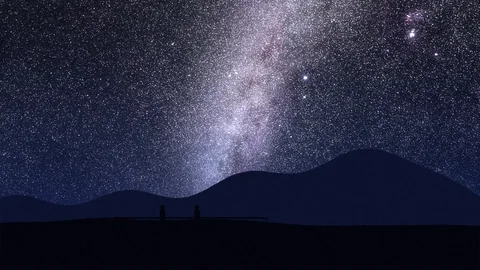 Bortle 1.1
⛰️ Scenic viewpoint
Round Pond Mountain Fire Tower
Allagash, ME
Excellent dark sky
SkyWatch Station · by PandaBuilt
Watch your own sky 24/7, and catch every meteor.
Turn an ordinary IP camera into an AI sky camera: it records all night, catches meteors, fireballs and satellites, names planes and satellites from public orbit and flight data, and makes one-click Shorts of the best moments.
- Runs on your own Windows, Mac, Linux or Raspberry Pi 5
- Join the SkyWatch Network map and help cover America's sky
- Go live on YouTube for big sky events
 LIVE 24/7
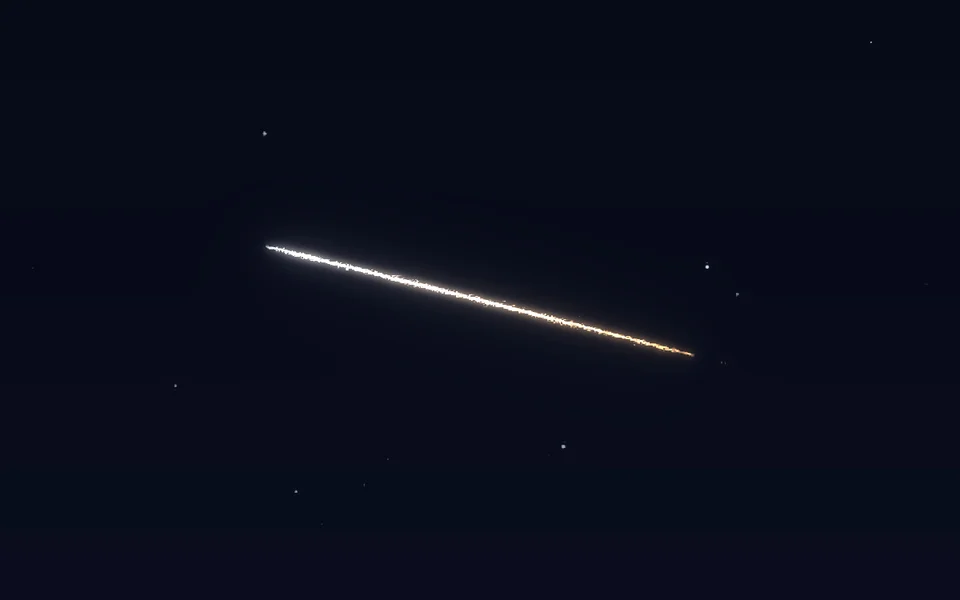
A real catch, not a renderMeteor · Nov 9, 2026 · 3:44 AM · our 12MP backyard sky cam
40meteors confirmed
279satellites named
12,917aircraft logged
Watch our sky live →