Directory / Astrophotography / Meteors
Guide
Catch a meteor on camera
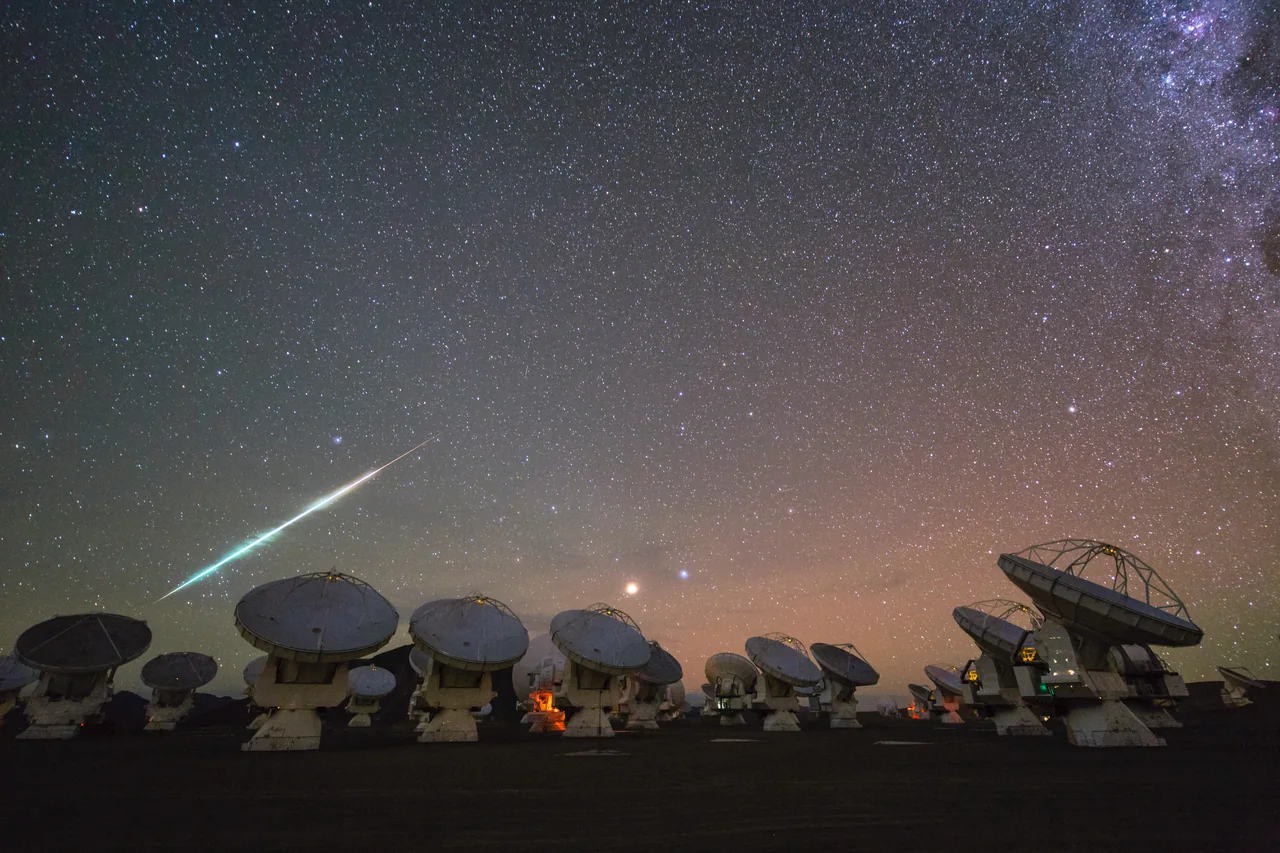
Meteor photography is a numbers game: the more sky and the more time you cover, the more you catch. Here's how to stack the odds.
How to do it
- Pick a moonless peak. A shower's rate under a dark sky can be 5–10 times higher than from town.
- Go wide: 14–20 mm covers the most sky. Aim about 45° up and 30–60° to the side of the radiant, where meteors show longer trails.
- Settings: f/2.8 or faster, ISO 3200, 15–25 seconds, continuous with no gap. Turn off long-exposure noise reduction or you'll miss half the night.
- Run for hours. Expect a handful of good hits per hour even on a strong shower. Bright fireballs are rarer and worth the wait.
- Make a composite: pick every frame with a meteor, align them on the stars, and blend them onto one background.
Want it automatic? SkyWatch Station turns an ordinary IP camera into an all-night meteor catcher that clips every event for you.
Next meteor showers
- Geminidspeaks 12/14 · up to 150/hr
- Ursidspeaks 12/22 · up to 10/hr
- Quadrantidspeaks 1/3 · up to 110/hr
- Lyridspeaks 4/22 · up to 18/hr
- Eta Aquariidspeaks 5/6 · up to 50/hr
- Southern Delta Aquariidspeaks 7/30 · up to 25/hr
- Perseidspeaks 8/12 · up to 100/hr
- Draconidspeaks 10/8 · up to 10/hr
Where to go
Dark spots for meteor nights
 Bortle 1.0
🏔️ Summit
Beetle Mountain
Patten, ME
Excellent dark sky
 Bortle 1.0
🏔️ Summit
Hudson Mountain
Portage Lake, ME
Excellent dark sky
 Bortle 1.0
🏔️ Summit
Willard Mountain
Masardis, ME
Excellent dark sky
 Bortle 1.0
🏔️ Summit
Peaked Mountain
Ashland, ME
Excellent dark sky
 Bortle 1.1
⛰️ Scenic viewpoint
Deasey Mountain Lookout Tower
Patten, ME
Excellent dark sky
 Bortle 1.1
⛰️ Scenic viewpoint
Round Pond Mountain Fire Tower
Allagash, ME
Excellent dark sky
SkyWatch Station · by PandaBuilt
Watch your own sky 24/7, and catch every meteor.
Turn an ordinary IP camera into an AI sky camera: it records all night, catches meteors, fireballs and satellites, names planes and satellites from public orbit and flight data, and makes one-click Shorts of the best moments.
- Runs on your own Windows, Mac, Linux or Raspberry Pi 5
- Join the SkyWatch Network map and help cover America's sky
- Go live on YouTube for big sky events
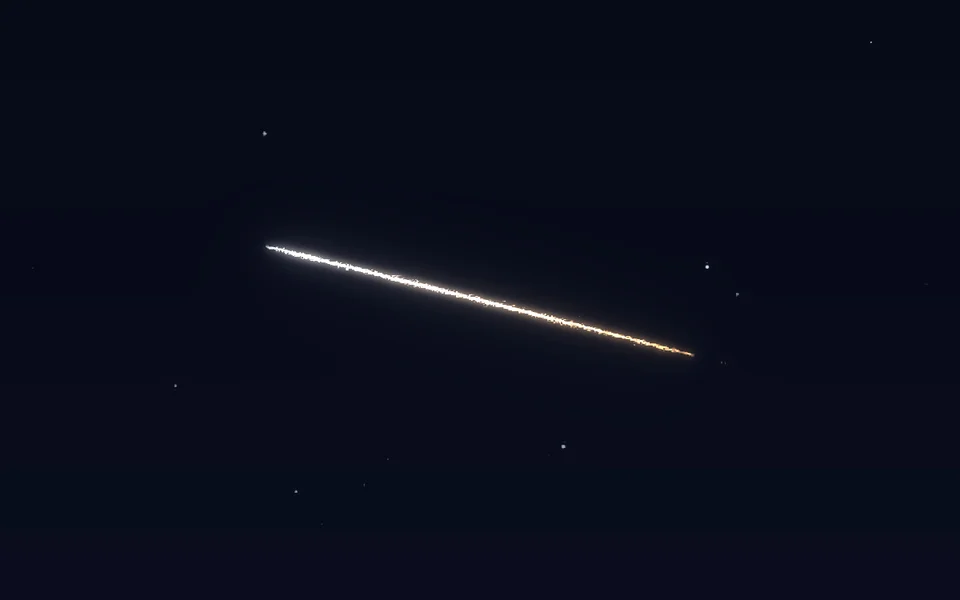 LIVE 24/7
A real catch, not a renderMeteor · Nov 9, 2026 · 3:44 AM · our 12MP backyard sky cam
40meteors confirmed
279satellites named
12,917aircraft logged
Watch our sky live →